Top 10 Leadership Pivots for 2026: What Modern Leaders Must Do Differently
by Mitchell Roedema
Leadership Development & Training Strategy Manager
Manufacturers Resource Center
Leadership in 2026 looks nothing like leadership from five years ago. AI adoption is accelerating, workforce shortages continue, global supply chains remain unpredictable, and a new generation of workers is reshaping expectations. Reports from the U.S. Manufacturing Workforce and MIE Solutions’ Labor Shortages state that manufacturers are operating with nearly 4.2% of roles unfilled, and as many as 26% of today’s manufacturing employees are expected to retire by 2030, deepening the skills gap and increasing pressure on leaders to adapt. The leaders who thrive this year will be the ones who pivot – decisively, boldly, and strategically. Whether your team works on the shop floor, in engineering, or in the front office, leaders need a new playbook.
Below are MRC’s Top 10 Leadership Pivots for 2026 that every organization should prioritize to stay relevant, resilient, and deeply human in an increasingly fast-changing world.
- Establish a Clear, Ethical, and Proactive AI Policy
AI is showing up everywhere, from quality control vision systems to predictive maintenance to scheduling optimization. The question many employees are asking is: “How will AI affect my job?”
Manufacturing leaders must:
- Create an internal “AI Use Policy” that sets expectations
- Define which decisions AI can support (and which require humans)
- Train employees on how AI and automation can support, not replace them
- Be clear about data privacy and ethical use
A strong AI policy builds trust and encourages faster adoption on the shop floor.
2. Develop Leadership Systems That Unlock Workforce Potential
Manufacturing is becoming more culturally diverse, especially as Millennials and Gen Z are entering the skilled trades in greater numbers.
Modern leadership requires:
- Supervisory excellence training to foster a supportive and high-performing workplace culture.
- Diversifying workforce development initiatives to bridge the skills gap in technical and trade positions
- Establishing environments where employees are confident raising ideas, concerns, and improvement opportunities
Organizations that cultivate accountability, mutual respect, and open communication consistently outperform those that don’t. What was once viewed as cultural enhancement is now a competitive advantage tied directly to productivity and retention.
- Prepare Leaders to Be “AI-Fluent,” Not AI Experts
Your maintenance manager doesn’t need to write Python code. But they do need to understand:
- What predictive tools can tell them
- How to interpret AI-generated insights
- Where automation helps, and where it introduces risk
- How to coach teams through digital change
Leadership development must now include AI literacy as a core competency.
- Master Modern Workforce Flexibility, Even in Non-Hybrid Environments
Most manufacturing roles can’t be remote, but flexibility still matters.
Manufacturers are now offering:
- Flexible shift options
- Shift swapping
- Part-time skilled maintenance roles for retirees
- Four-day workweek experiments
- Hybrid options for engineering, quality, supply chain, and admin staff
The pivot is less about location and more about stability and predictability.
- Replace Traditional Performance Management with Growth-Based Coaching
Finding time for one‑on‑one conversations and meaningful review discussions can be challenging, especially for frontline workers who are seeking growth and development
Leaders must shift to:
- Frequent, bite-sized coaching conversations
- Clear pathways for upskilling (welding certs, PLC training, robotics, leadership tracks)
- Real-time recognition tied to safety and quality
Development becomes a pathway for internal growth and a way to keep talent moving forward within the organization.
- Break Down Silos Between Operations, Engineering, and Leadership
As AI and automation become more integrated, collaboration is becoming a competitive differentiator.
Leading manufacturers are:
- Creating daily or weekly cross-functional huddles
- Bringing maintenance and engineering into earlier design conversations
- Rotating supervisors through different departments
- Encouraging collaborative problem-solving over top-down directives
When teams see the whole system, they solve problems faster, together.
- Build Learning-Agile Leaders for a Rapidly Changing Factory Floor
The pace of technological change in manufacturing is unprecedented.
Leaders in 2026 must be:
- Curious
- Adaptable
- Comfortable saying “I don’t know, let’s learn together.”
- Eager to adopt new tools
Today’s environment requires leaders who can blend experience with the ability to learn, adapt, and grow.
- Reinforce Human-Centered Leadership in a High-Tech World
Advanced tools help improve performance, but it’s employees who apply them, interpret them, and turn them into outcomes.
People-centered manufacturing leaders:
- Listen before reacting
- Spend time on the floor
- Understand individual motivations
- Coach teams through change
- Recognize and celebrate craft skills
Technology enables performance, and people deliver it.
- Lead With Radical Transparency Around Change
Manufacturing employees want clarity about:
- Process changes
- Automation plans
- Production expectations
- Career opportunities
Leaders must:
- Communicate early, even before all answers are known
- Explain the “why” behind decisions
- Be honest about challenges
Transparency builds trust, safety, and team alignment.
- Prepare for Multi-Generational Teams, Including Gen Z and Mid-Career Transitions
For the first time, up to five generations may be working in the same facility.
2026 leaders must be ready to:
- Train Gen Z and Gen Alpha entering technical apprenticeships
- Reskill mid-career employees for automation-enabled roles
- Capture knowledge transfer from retiring experts
- Customize communication styles and development opportunities
A generationally diverse workforce is a strategic advantage if leaders know how to harness it.
As manufacturers navigate rapid technological change and a tightening labor market, these leadership pivots offer a practical blueprint for moving forward with confidence. By embracing new tools, developing people-focused practices, and strengthening how teams work together, leaders can create workplaces that are adaptable, future-ready, and deeply connected to today’s workforce needs. The organizations that lean into these shifts will not only manage the challenges ahead, but they’ll also position themselves to thrive in the next era of American manufacturing.
If your team is ready to move from insight to execution, MRC works alongside manufacturers to build leadership capability, operational clarity, and future-ready strategy. MRC can help you turn 2026’s leadership shifts into measurable performance gains. Contact Diane Lewis, VP of Manufacturing Solutions and Center Operations at (610) 554-5196 or diane.lewis@mrcpa.org to begin the conversation..
About the Author – Mitchell Roedema, Leadership Development & Training Strategy Manager
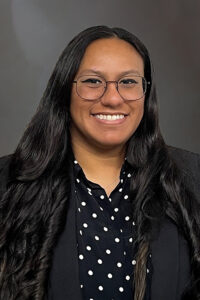 Mitchell is a dynamic force in leadership development, bringing over six years of expertise to empower teams and transform workplaces. Mitchell supports teams through learning programs focused on growth, leadership and performance.
Mitchell’s collaborative approach puts people first. Her thoughtful strategies bridge the gap between theory and practice, making professional development feel relevant and inspiring.
With a talent for facilitation, instructional design, and project management, Mitchell incorporates practical, scalable solutions tailored to the real-world needs of today’s workforce. From helping to shape engaging onboarding experiences to developing impactful coaching tools and leadership content, Mitchell ensures learning is not just effective but also meaningful and accessible for both new hires and seasoned professionals.
Mitchell holds a Creating Leadership Development Programs certificate from the Association for Talent Development, alongside credentials in Learning & Development and Human Resources from HRCI and Udemy.